




Aurora's Weekly Wellness Update
like new product announcements, fun facts, ingredient spotlights, funny photos, and so much more!
We hope you find this informative and enjoyable!
AWW Volume 15: Hyper & Hypopigmentation
We hope you're enjoying your summer, we have been!
Now, back to business...let's talk about some important topics for the fellow sun lovers!
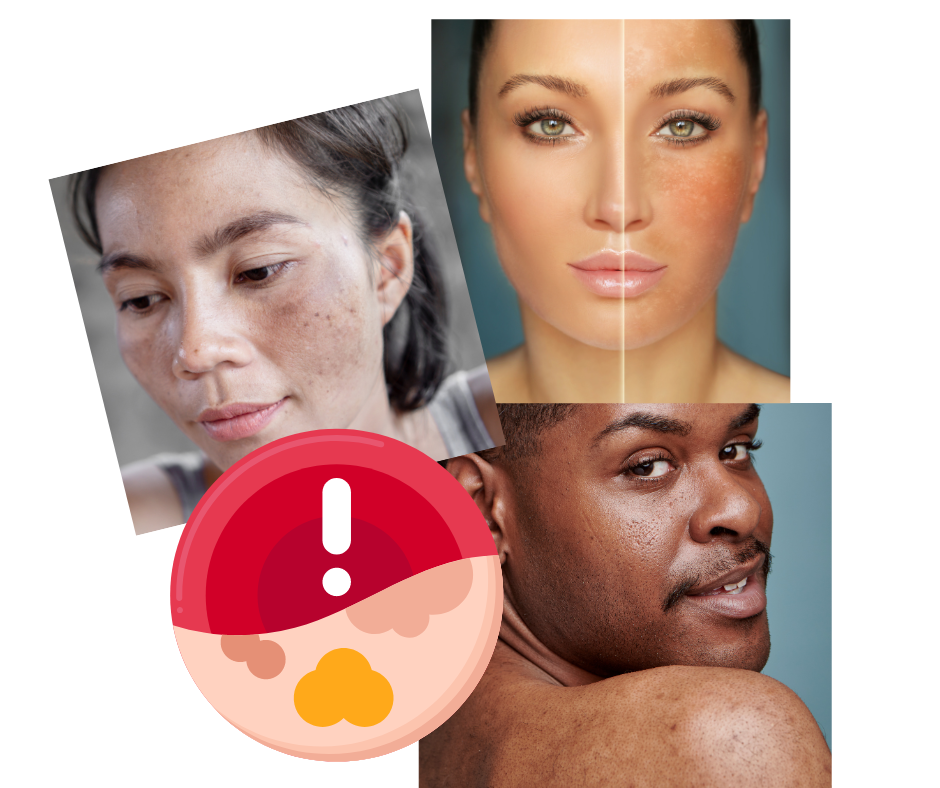
As estheticians, we frequently encounter clients seeking solutions for uneven skin tone, specifically hyperpigmentation and hypopigmentation.
Understanding these conditions can help in managing and treating them effectively.
Let’s dive into the details!
What is Hyperpigmentation?
Causes of Hyperpigmentation:
- Sun Exposure: UV rays stimulate melanin production, leading to sunspots and age spots.
- Inflammation: Post-inflammatory hyperpigmentation can occur after skin injuries like acne, cuts, or burns.
- Hormonal Changes: Conditions like melasma are often triggered by hormonal fluctuations during pregnancy or due to birth control pills.
- Medications: Certain drugs can cause pigmentation changes as a side effect.
Treatment and Management:
- Sun Protection: Daily use of broad-spectrum SPF is crucial to prevent further darkening.
- Topical Treatments: Ingredients like vitamin C, retinoids, and hydroquinone can help lighten dark spots.
- Professional Treatments: Chemical peels, microdermabrasion, and laser therapy can provide more intensive solutions.
What is Hypopigmentation?
Causes of Hypopigmentation:
- Skin Damage: Injuries or burns can damage melanocytes, the cells that produce melanin.
- Skin Conditions: Genetic disorders like vitiligo or post-inflammatory hypopigmentation can cause light patches.
- Infections: Certain fungal infections, such as tinea versicolor, can affect skin pigmentation.
Treatment and Management:
- Topical Treatments: Ingredients like corticosteroids or calcineurin inhibitors can sometimes help.
- Light Therapy: UVB light therapy can stimulate repigmentation in some cases.
- Cosmetic Solutions: Camouflage makeup and self-tanners can even out skin tone.
Preventative Measures and Lifestyle Tips



Book Your Consultation Today!
catch up on previous volumes below!
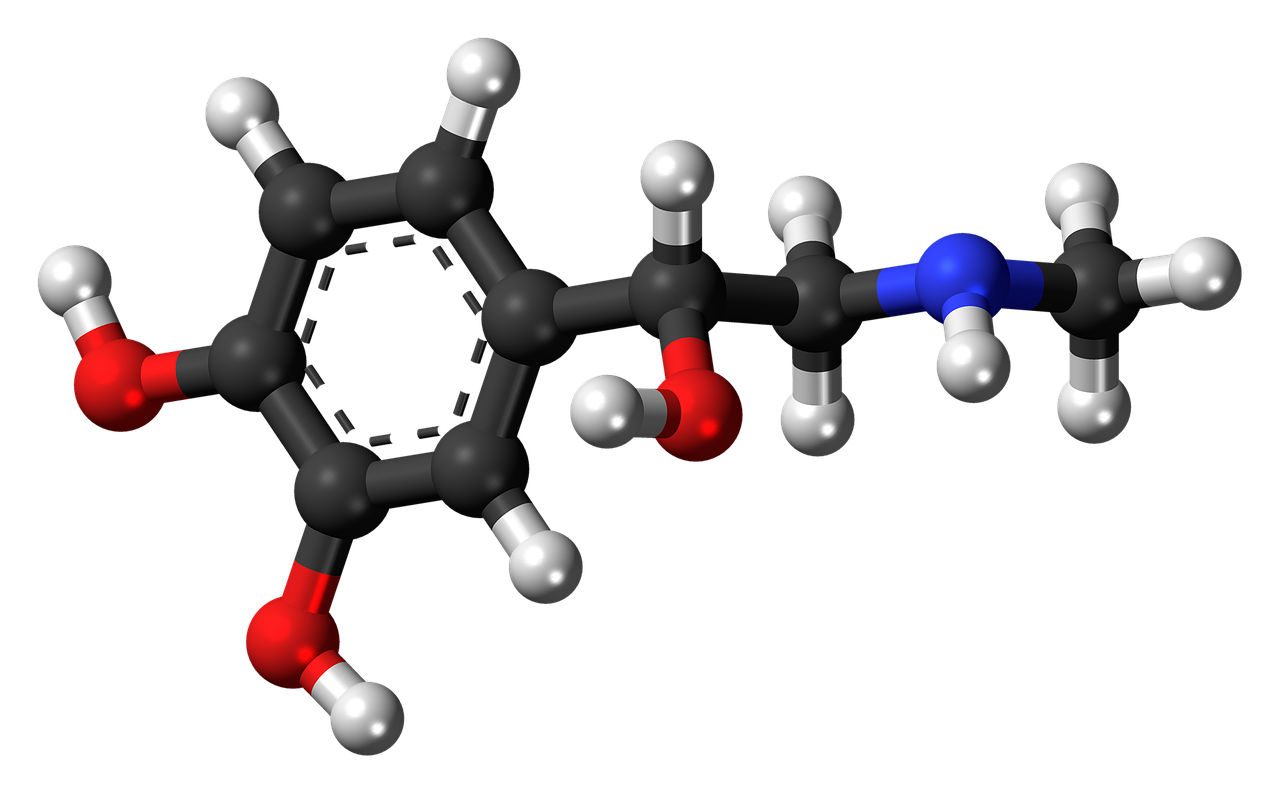
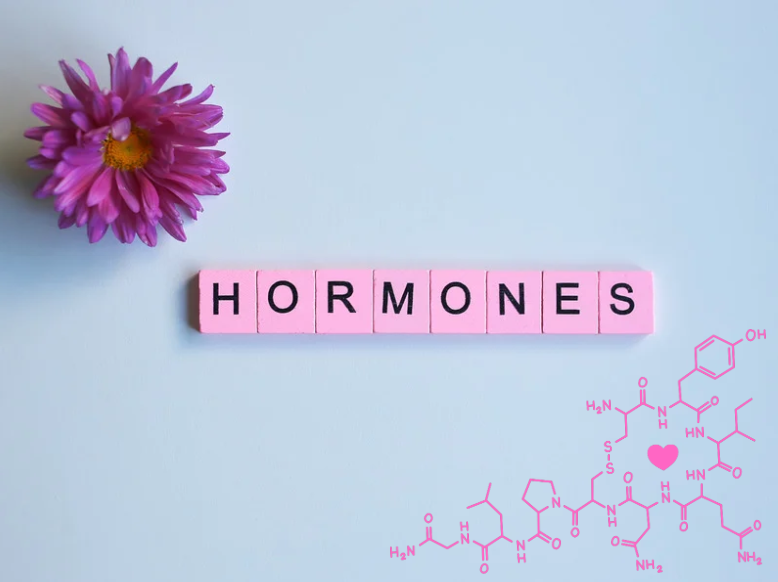
Many of us are focused on achieving that perfect youthful glow. While skincare routines and treatments play a significant role, there’s another factor that is often overlooked but crucial for maintaining radiant skin: balanced hormones.
Hormones and Skin Health
Common Skin Issues Caused by Hormonal Imbalance:
Acne: Fluctuations in hormones, particularly androgens, can increase oil production- leading to clogged pores and acne breakouts. This is often seen in teenagers, pregnant women, and those with conditions like polycystic ovary syndrome (PCOS).
Dryness and Irritation: Estrogen helps maintain the skin’s moisture levels. A decline in estrogen such as during menopause, can result in dry, itchy, and thinning skin.
Hyperpigmentation: Melasma, a condition causing dark patches on the skin, is often triggered by hormonal changes, especially during pregnancy or with the use of oral contraceptives.
Aging: As we age, the decrease in estrogen and progesterone can lead to reduced collagen production, causing the skin to lose its elasticity and firmness, leading to wrinkles and sagging.
Balancing Hormones for Better Skin

Healthy Diet
Incorporate foods rich in omega-3 fatty acids, antioxidants, and fiber. Avoid excessive sugar and processed foods that can spike insulin levels and disrupt hormonal balance.

Regular Exercise
Physical activity helps regulate insulin and stress hormones, which in turn can have a positive effect on your skin.

Adequate Sleep
Poor sleep can disrupt hormone production, leading to issues like increased cortisol, which can cause breakouts and other skin problems.

Stress Management
Practices like yoga, meditation, and deep-breathing exercises can help manage stress levels, reducing the impact of stress hormones on your skin.

Professional Guidance
Sometimes, balancing hormones may require medical intervention. Consulting with a healthcare professional, such as an endocrinologist, dermatologist, or holistic medical practitioners can provide personalized strategies to address hormonal imbalances.
Treatments at Our Salon:
Customized Facials
Tailored to address specific skin concerns, whether it’s acne, dryness, or aging. These facials are results driven to address you skin concerns and focus on correction over relaxation.
Holistic Products
High quality, professional grade, herbal based skin care products as well as dietary supplements, vitamins, and overall holistic health products are also offered in our retail section and available to order online.
Stress-Relief Treatments
Indulge in our relaxing facials and featured add ons for increased stress-relief and relaxation.Click to edit text. What stands you apart from the competition?
Remember, achieving healthy skin is a journey that involves both external and internal care. By understanding the role of hormones and taking steps to balance them, you can enjoy clearer, more radiant skin.
We look forward to helping you achieve your skincare goals. Schedule your appointment today and let us support you in looking and feeling your best!
The Role of Retinoids
Retinoids, derivatives of Vitamin A, are revered for their transformative effects on the skin, offering a potent solution for various skin concerns. Let’s dive into what makes retinoids so special, along with their pros and cons.
What Are Retinoids?
Retinoids are a class of compounds derived from Vitamin A. They include prescription-strength retinoids like tretinoin and over-the-counter retinol. These compounds work by accelerating cell turnover, promoting collagen production, and unclogging pores- making them a powerhouse ingredient in skincare.
The Pros of Retinoids | The Cons of Retinoids | |
Anti-Aging Benefits: Retinoids are renowned for their ability to reduce the appearance of fine lines and wrinkles. They stimulate collagen production, which helps maintain skin elasticity and firmness.
| Initial Irritation: When first using retinoids, it’s common to experience redness, peeling, and dryness. This is known as the “retinization” period and can last a few weeks as your skin adjusts.
Not Suitable for All Skin Types: Those with extremely sensitive or rosacea-prone skin might find retinoids too harsh. Always consult with a skincare professional before starting a retinoid regimen.
|
Tips for Using Retinoids
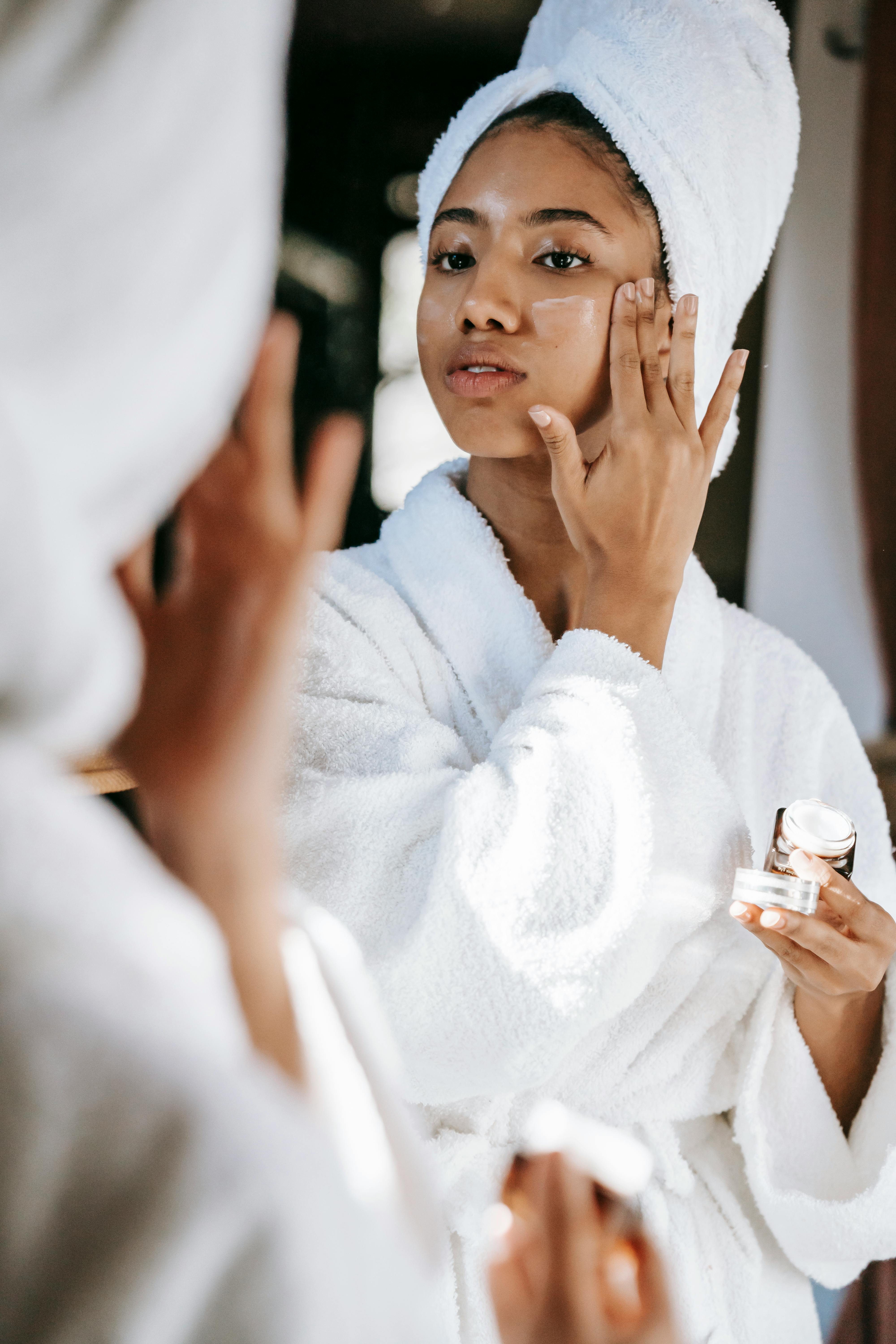
Start Slow:
Introduce retinoids gradually into your routine.
Begin with a lower concentration and apply it every other night to allow your skin to acclimate.
Moisturize:
To combat dryness and irritation, use a gentle moisturizer.
Apply it after your retinoid to lock in hydration.
Sun Protection:
Never skip sunscreen!
A broad-spectrum SPF 30 or higher is a must when using retinoids.
Patience is Key:
Results won’t happen overnight.
Give your skin time to adjust and be consistent with your application for the best results.
In Conclusion
Retinoids can be a game-changer for your skin, offering a plethora of benefits from anti-aging to acne treatment. While there are some downsides, careful and consistent use can help you navigate these challenges and achieve glowing, youthful skin.
As always, if you have any questions or need personalized advice, feel free to book a consultation with me. I’m here to help you achieve your best skin ever!


What is Dry Brushing?
The Benefits of Dry Brushing
ExfoliationDry brushing helps remove dead skin cells, revealing smoother and more radiant skin. Regular exfoliation prevents clogged pores and allows your skin to breathe.
Lymphatic Support
By stimulating the lymphatic system, dry brushing promotes detoxification. This helps to reduce puffiness and supports the body in flushing out toxins more efficiently.
Improved Circulation
The brushing action enhances blood flow, bringing more oxygen and nutrients to the skin's surface. This can result in a healthy, natural glow.
Cellulite Reduction
Although not a miracle cure, dry brushing can help reduce the appearance of cellulite by breaking down toxins that may accumulate in the skin's fat cells.
Stress Relief
The gentle, rhythmic motions of dry brushing can be incredibly relaxing. It's a wonderful way to incorporate a mindful, self-care ritual into your daily routine.
How to Dry Brush
Choose the Right Brush
Opt for a brush with natural bristles.Brush Before Showering
Dry brushing is most effective on dry skin. Do it before you shower so you can rinse off the dead skin cells afterward.Start at Your Feet
Begin at your feet and brush upwards in long, sweeping motions. Brush each area three times before moving onto the next. Always brush towards your heart to support circulation.Be Gentle
Your skin should be stimulated but not irritated. Avoid brushing too hard or over areas with cuts, sores, or rashes.Moisturize
After your shower, apply a nourishing moisturizer to keep your skin hydrated and smooth.

Reveal the inherent radiance of your skin by integrating dry brushing into your daily ritual.
Delicately exfoliate and boost circulation, resulting in a vibrant and healthy complexion.
The agave sisal bristles provide both effectiveness and gentleness, promising a soothing experience for your body.
This product is eco-friendly and plastic free!



Sunworshipping 101
As the days grow longer and the sun shines brighter, we naturally find ourselves drawn to the great outdoors. Whether it's lounging by the pool, hiking through nature or simply enjoying a sunny day at the park- there's no denying the allure of sun worshipping. While the sun provides us with essential Vitamin D and an instant mood boost, it's crucial to remember that our skin needs extra care and protection to stay healthy and radiant.
The Good Side of Sun ExposureSunlight is a vital source of Vitamin D, which is essential for bone health, immune function, and overall well-being. Moderate sun exposure can also improve our mood and energy levels, helping to combat seasonal affective disorder (SAD) and boosting our serotonin levels. | The Dark Side of Sun WorshippingHowever, prolonged and unprotected sun exposure can lead to several skin issues, including premature aging, sunburn, and an increased risk of skin cancer. Here at Aurora Beauty Studio, we want to help you enjoy the sun safely while keeping your skin beautiful and protected. |

Sun Protection Tips from Your Esthetician
Sunscreen is Non-Negotiable: Apply a broad-spectrum sunscreen with an SPF of at least 30 every day, especially on the face and other areas consistently exposed. Reapply every two hours, or more often if you're swimming or sweating. It is not just about blocking the rays that cause your skin to burn or increase your chances for melanoma- it is also important to think about UVA rays, also known as AGING rays.
Increase Vitamin Intake: Different vitamins and minerals can help aid you skin in various ways including fighting harmful sun damage, aiding in more pigment (melanin) production, keeping your skin hydrated, and more! Read to the end to see a product we have brought in just for this reason!
Hydrate, Hydrate, Hydrate: Sun exposure can dehydrate your skin, so drink plenty of water and use hydrating skincare products to keep your skin plump and healthy.
After-Sun Care: If you do get a little too much sun, soothe your skin with aloe vera or other calming ingredients. Avoid hot showers and harsh skincare products that can further irritate sunburned skin. See below for another great product we now carry!
*NEW* Summer Service: Sun Rescue Treatment
Experience the ultimate relief with our Sun Rescue Treatment, designed to soothe, heal, and cool your sun-kissed skin.
Step 1: Soothing and Cleansing We begin with a gentle, soothing cleanser to remove impurities and calm irritated skin. This prepares your skin to fully absorb the nourishing benefits of the treatment.
Step 2: Healing Mask Next, we apply a healing mask infused with natural ingredients such as aloe vera, chamomile, and green tea extracts. These powerful botanicals work together to reduce redness, hydrate, and repair damaged skin cells.
Step 3: Cooling Mask Following the healing mask, enjoy the refreshing sensation of our cooling mask. This mask contains cucumber and mint extracts to provide an immediate cooling effect, reducing inflammation and further calming your skin.
Step 4: Red Light Therapy The treatment culminates with advanced red light therapy. This non-invasive technology penetrates deep into the skin to stimulate collagen production, promote cell regeneration, and enhance the healing process. Red light therapy also helps to reduce any lingering redness, reduces pain and supports the overall rejuvenation of your skin.
Step 5: Hydration and Protection To finish, we apply a lightweight, hydrating serum followed by a high-quality SPF moisturizer to lock in moisture and protect your skin from future sun exposure.
Benefits:
- Immediate relief from sunburn discomfort
- Reduced redness and inflammation
- Accelerated skin healing and regeneration
- Long-lasting hydration and protection
- Accelerated damage prevention
Who It's For: Our Sun Rescue Treatment is perfect for anyone who has experienced prolonged sun exposure, sunburn, or simply wants to restore their skin's natural balance and glow after a day in the sun. This treatment is available for different areas of the body and can be booked starting today!
Indulge in this rejuvenating experience and let us help your skin recover its radiance and vitality.

We have introduced some things to help aid in sun worshipping to help you enjoy more of that big beautiful bright ball of fire!
fGBG summer glow tanning gummies
TANIT After-Sun Spray

Delicious vegan gummies formulated specially for optimizing your tanning results. Conveniently pre-packed gummies into on-the-go packets so you can take them anytime, anywhere. Each gummy is packed with a combination of essential nutrients and antioxidants that trigger natural melanin production while promoting healthy skin. Each box contains a one month supply in convenient and daily on-the-go packaging.
Each gummy contains:
- L - Tyrosine: An amino acid which is the precursor to the natural production of melanin pigments.
- Beta Carotene: The body converts this powerful antioxidant into vitamin A and helps maintain skin health and appearance.
- Astaxanthin: A potent antioxidant that improves skin elasticity and maintains skin moisture while reducing visible signs of aging.
- Lycopene: A plant nutrient that may prevent acute and long term skin damage.
- Copper Citrate: An essential mineral that promotes the synthesis of collagen which plays a role in keeping skin elastic and hydrated.
- Vitamin B6: Promotes healthy skin.
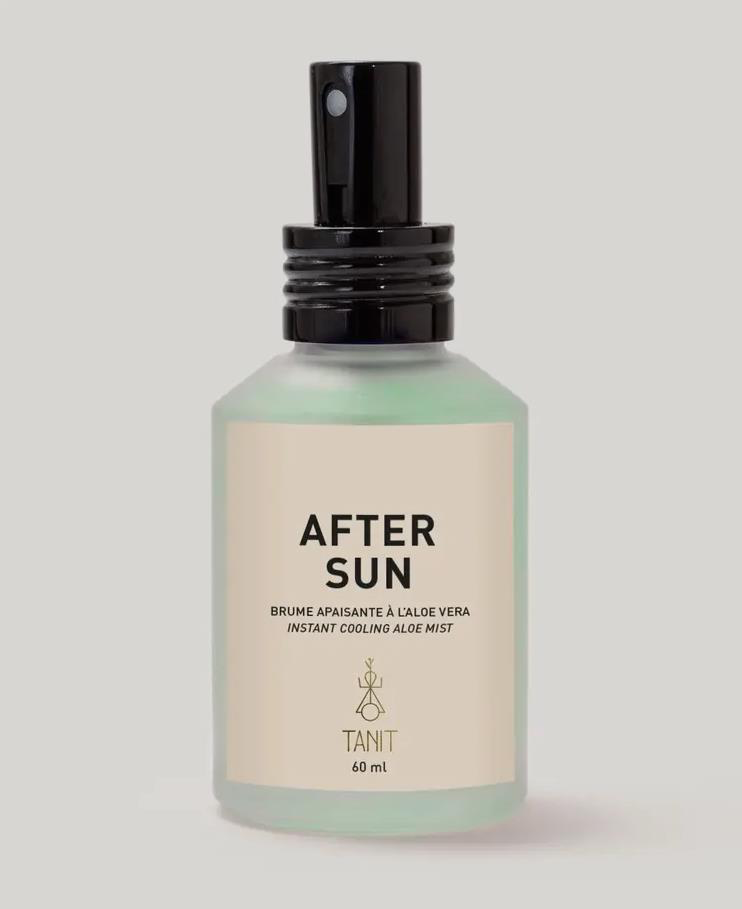
All-natural aloe after sun mist with a cooling combination of mint and lavender that resets hot, sun drenched skin, leaving it feeling relieved and hydrated.
PROPERTIES:
- ALL-NATURAL
- PLASTIC-FREE
- PRESERVATIVE-FREE
- VEGAN
MAIN BENEFITS - HYDRATE - COOL - SOOTHE - REGENERATE
Stay Connected
Follow us on Instagram and Facebook for more skincare tips, product recommendations and exclusive offers.
Share your sun-safe selfies with us using the hashtag #SunKissedSecrets, and you might be featured on our page!



AWW Volume 10:
Chlorophyll & All Its Green Glory
So, what is Chlorophyll, you ask?
...a pigment present in all green plants and a few other organisms.
It is required for photosynthesis, which is the process by which light energy is converted into chemical energy. The chlorophyll pigment is responsible for the green coloration in plants.
Beyond its critical role in photosynthesis, chlorophyll offers a range of benefits for human health. Read on to discover how incorporating chlorophyll into your diet can enhance your well-being.
As said above, Chlorophyll is a naturally occurring compound found in green plants and algae. Additionally, chlorophyll is structurally similar to hemoglobin, the protein in our blood that carries oxygen. This similarity has sparked interest in its potential health benefits for humans.
Health Benefits of Chlorophyll
DetoxificationChlorophyll has powerful detoxifying properties. It binds to heavy metals and other toxins in the body, aiding in their removal.
This process helps in cleansing the liver, which is crucial for maintaining overall health.
Rich in antioxidants, chlorophyll helps combat oxidative stress by neutralizing free radicals.
This can reduce inflammation, slow down the aging process, and lower the risk of chronic diseases such as cancer and heart disease.
Studies have shown that chlorophyll can accelerate wound healing.
Its antibacterial properties help prevent infections, while its ability to reduce inflammation promotes faster recovery.
Chlorophyll can aid in weight loss by reducing hunger and controlling cravings.
It improves the body’s metabolic functions and helps maintain stable blood sugar levels, which can prevent overeating and support a healthy weight.
Chlorophyll supports digestive health by acting as a natural deodorizer for the body.
It can reduce bad breath and body odor and promote healthy digestion by balancing the bacteria in the gut.

How to Incorporate Chlorophyll into Your Diet
Natural Sources
- Green Vegetables: Spinach, kale, parsley, and broccoli are excellent sources of chlorophyll.
- Herbs: Fresh herbs like cilantro and mint can boost your chlorophyll intake.
- Algae: Spirulina and chlorella are algae rich in chlorophyll and available in powder or tablet.
Supplements
Chlorophyll supplements are available in various forms, including liquid, tablets, and capsules. Liquid chlorophyll can be added to water or smoothies for a convenient boost.
Tips for Optimal Benefits
- Choose Organic: Opt for organic greens to avoid pesticide exposure.
- Variety is Key: Incorporate a range of chlorophyll-rich foods into your diet to maximize nutrient intake.
- Stay Hydrated: Drink plenty of water to support the detoxifying effects of chlorophyll.
References
|
|
|

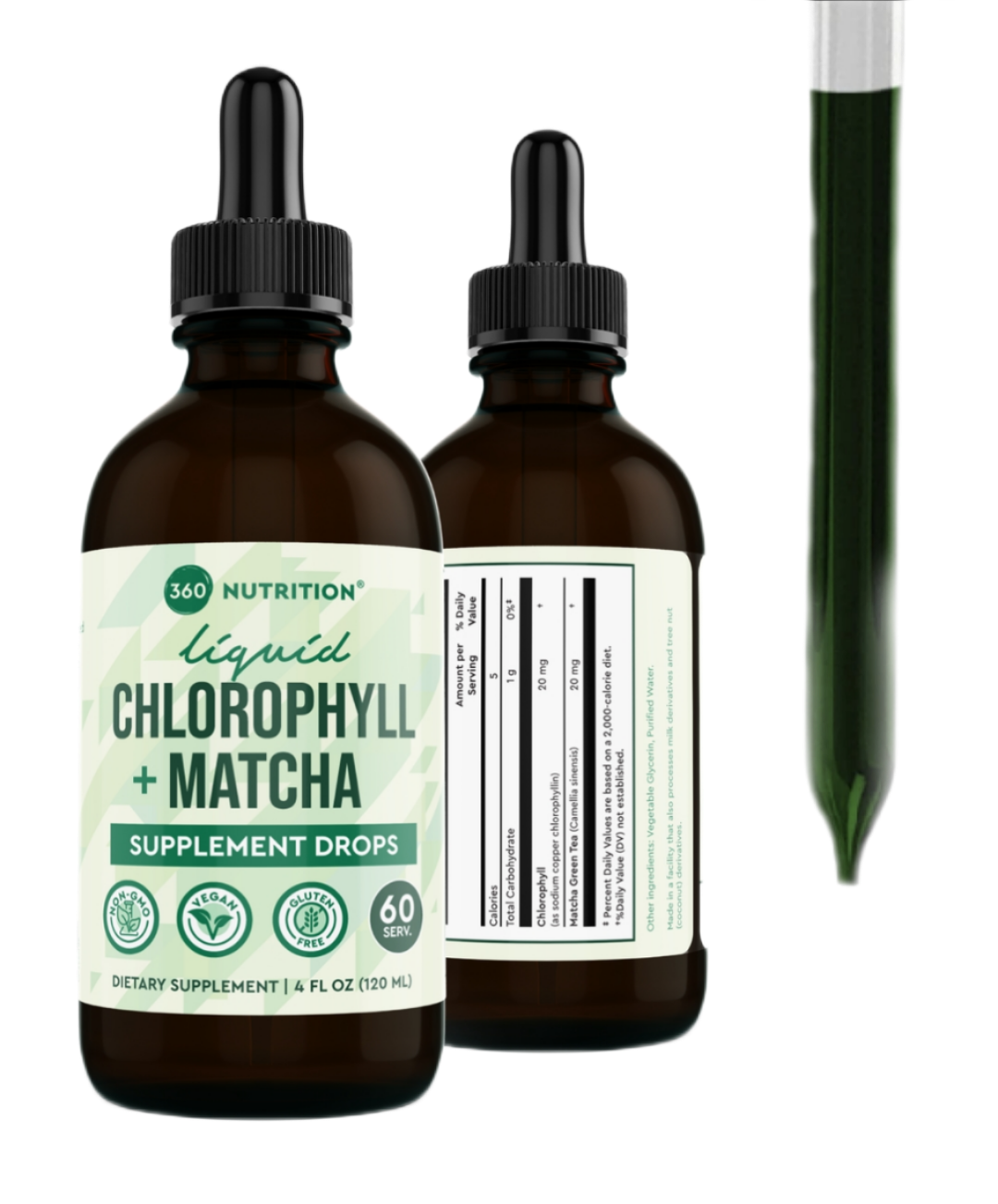
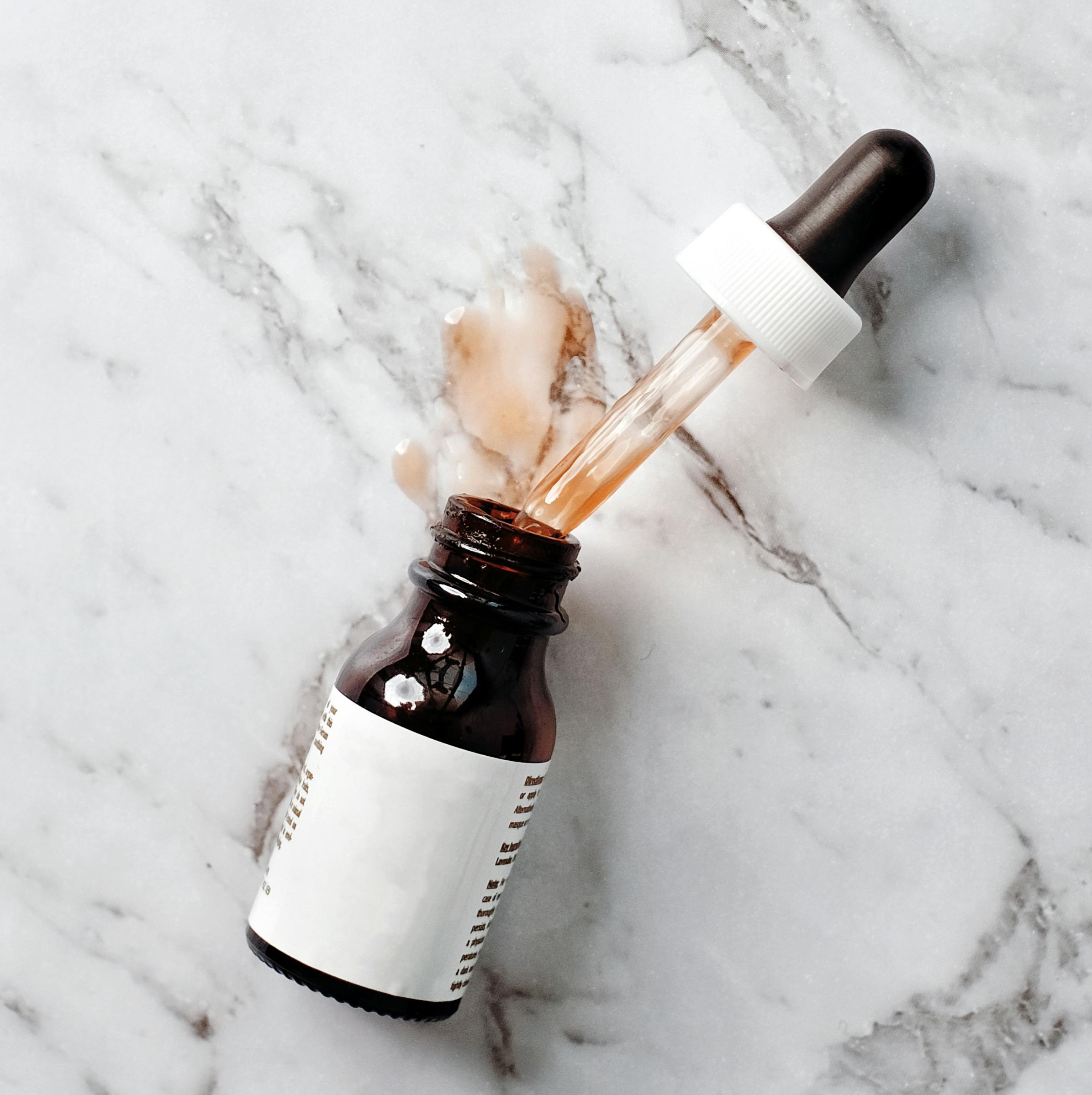
We now offer several dietary supplements from 360 Nutrition including the above Chlorophyll & Matcha tincture!
Click the button below to visit our online store.
More items will be added to the inventory this week, so visit again!
Psst...a little secret...we will be doing a Memorial Day Sale starting soon!!
Stay tuned for more insights and tips on living a healthier, happier and more vibrant life.
Skin Care Myths Debunked
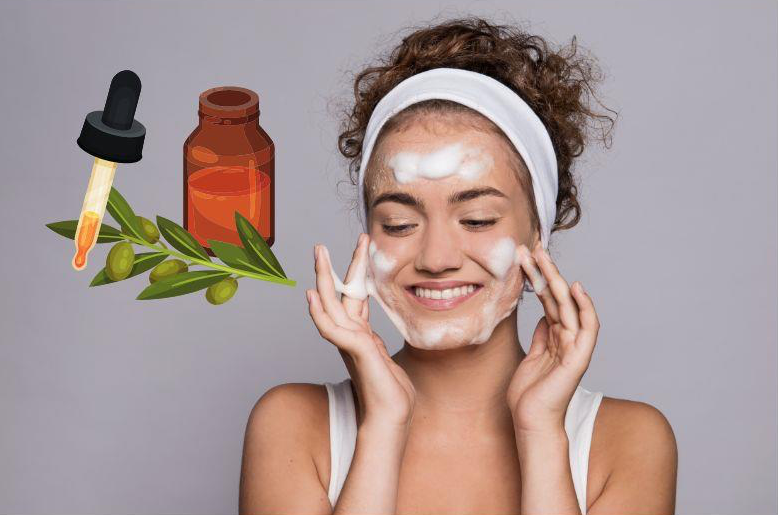
Myth 1: "Natural Ingredients Are Always Better for Your Skin"
Truth: While natural ingredients like aloe vera and chamomile can be beneficial, not all natural substances are suitable for skin care. Poison ivy and arsenic are natural but harmful. Synthetic ingredients are often rigorously tested for safety and efficacy. Focus on what works best for your skin type, regardless of its origin.
Myth 2: "Oily Skin Doesn’t Need Moisturizer"
Truth: Skipping moisturizer can actually make oily skin worse. When skin is dehydrated, it can overcompensate by producing even more oil. In addition, a product that is too heavy for oily skin can also increase oil production. Opt for a lightweight, non-comedogenic moisturizer to keep your skin balanced and hydrated without clogging pores.
Myth 3: "Expensive Products Are More Effective"
Truth: Price doesn't always equate to quality. Many affordable skincare products contain the same active ingredients as their high-end counterparts. Research and reviews are your best tools. Look for products with proven ingredients like retinol, hyaluronic acid, and vitamin C.

Myth 4: "Sunscreen Is Only Necessary on Sunny Days"
Truth: UV rays can penetrate clouds and windows, causing skin damage even on cloudy or indoor days. Daily application of broad-spectrum sunscreen with at least SPF 30 is essential year-round to protect against premature aging and skin cancer.
Myth 5: "Acne Is Just for Teenagers"
Truth: Acne can affect individuals well into adulthood. Factors like hormones, stress, diet, and skincare habits play a significant role. Adult acne often requires a different approach than teenage acne.
Myth 6: "You Can Shrink Your Pores"
Truth: Pore size is largely determined by genetics and can't be permanently reduced. However, keeping pores clean and using products like retinoids and niacinamide can minimize their appearance. Regular exfoliation also helps keep pores clear and less noticeable.
Myth 7: "Tanning Is Safe If You Don’t Burn"
Truth: Any tan is a sign of skin damage. Tanning increases the risk of skin cancer and accelerates aging. Embrace your natural skin tone and use self-tanners if you desire a bronzed look. Always prioritize sun protection.
Myth 8: "More Is Better"
Truth: Overloading your skin with products can lead to irritation and breakouts. Stick to a simple routine that addresses your specific concerns. Introducing new products one at a time helps identify what works and what doesn’t.
Tips for Healthy Skin
- Hydrate Inside and Out: Drink plenty of water and use hydrating skincare products.
- Eat a Balanced Diet: Nutrient-rich foods support skin health.
- Get Enough Sleep: Rest allows skin to repair and regenerate.
- Manage Stress: Stress can exacerbate skin issues, so find ways to relax and unwind.

Fighting Allergies Naturally

1. Embrace Nature's Pharmacy:
- Incorporate local honey into your diet. Consuming raw, local honey may help build immunity to pollen allergies over time. Not just the raw honey at the store, no- we're talking about the local good good you get from farmstands, markets, and other local sources. This ensures you are building immunity to the pollens local to you!
- Explore herbal remedies such as nettle leaf, quercetin, and butterbur, known for their anti-inflammatory and antihistamine properties.
2. Clear the Air:
- Invest in a high-quality air purifier to remove allergens from your home, especially in bedrooms where you spend a significant amount of time.
- Keep windows closed during peak pollen times and use an air conditioner instead to filter the

4. Mind-Body Connection:
- Practice stress-reducing activities such as yoga, meditation, or deep breathing exercises. Stress can exacerbate allergy symptoms, so finding ways to relax is crucial. All systems in your body work in tandem with each other.
- Explore acupuncture or acupressure, which can help alleviate allergy symptoms by balancing the body's energy flow.
5. Nasal Rinse and Saline Spray:
- Use a saline solution to rinse your nasal passages daily, helping to flush out allergens and relieve congestion.
- Consider using a neti pot or a saline nasal spray for quick relief from nasal congestion and irritation.
6. Create a Pollen-Free Zone:
- Remove your shoes before entering your home to prevent tracking pollen indoors.
- Shower and change clothes after spending time outdoors to remove any pollen clinging to your body or clothing.
By incorporating these holistic and natural approaches into your routine,
you can enjoy the beauty of this season without being sidelined by seasonal allergies.
Here's to a happy and sniffle-free season ahead!


Reading Ingredient Labels
Why It Matters:
Reading ingredient labels isn’t just about being a conscientious consumer; it’s about taking control of your health. By scrutinizing these labels, you gain insights into the nutritional content, potential allergens, the presence of harmful additives or chemicals, and even the environmental impact from the products you consume. This knowledge empowers you to make choices that align with your dietary preferences, health goals, and values.
Key Tips for Deciphering Labels:
1. Start with the Basics:
Familiarize yourself with common terms and ingredients. Understand the difference between terms like “organic,” “natural,” and “artificial,” and be mindful of hidden sugars, preservatives, and additives.
2. Scan for Allergens:
If you have food allergies or sensitivities, thoroughly scan ingredient lists for potential triggers. Manufacturers are required to clearly label common allergens like peanuts, tree nuts, dairy, soy, wheat, and shellfish.
3. Check the Order:
Ingredients are listed in descending order by weight, with the primary ingredient listed first. In other words, the first ingredients listed are what the product contains most of. Pay attention to where sugar, unhealthy fats, and additives fall in the list. If they’re near the top, it may indicate a less nutritious choice.
4. Watch Out for Hidden Names:
Some ingredients may go by multiple names or aliases. For example, sugar can appear as sucrose, high-fructose corn syrup, or dextrose. Familiarize yourself with these variations to spot them on labels.
5. Look Beyond Food Labels:
Ingredient labels aren’t limited to just food products. Personal care items, cleaning supplies, and cosmetics also come with ingredient lists. Be mindful of what you’re putting on your body and in your home environment.

Putting It Into Practice:
Armed with this knowledge, take the time to read and understand ingredient labels before making purchasing decisions. Consider opting for products with simpler, recognizable ingredients and fewer additives. Experiment with homemade alternatives or seek out brands that prioritize transparency and quality in their ingredients.
Deciphering ingredient labels is a skill that empowers you to take control of your health and well-being. By becoming a savvy label reader, you can make choices that support your overall wellness goals and values. Remember, every label you read is an opportunity to make a healthier choice for yourself and your loved ones.
Stay tuned for more tips and insights on living a healthy, informed lifestyle in our next newsletter. Until then, happy label reading!


What is Propolis?
Propolis, often referred to as "bee glue," is a resinous substance that bees collect from tree buds, sap flows, and other botanical sources. They then mix it with their saliva and beeswax, using it to seal small gaps in the hive, protect against intruders, and maintain hive health.Health Benefits of Propolis:
Antimicrobial Properties: Propolis contains various compounds, including flavonoids and phenolic acids, which exhibit potent antimicrobial activity. It has been traditionally used to treat wounds, infections, and even oral health issues like gingivitis.
Anti-Inflammatory Effects: Research suggests that propolis may help reduce inflammation and soothe conditions such as sore throat, respiratory infections, and skin irritations.
Antioxidant Action: With its rich antioxidant content, propolis scavenges free radicals, helping to protect cells from oxidative stress and supporting overall health and longevity.
Immune System Support: Propolis has been shown to modulate the immune response, potentially enhancing the body's defense mechanisms against pathogens and promoting immune balance.
Wound Healing: Due to its antimicrobial and anti-inflammatory properties, propolis can aid in wound healing by promoting tissue regeneration and preventing infection.
Different Forms of Propolis:
- Raw Propolis: Harvested directly from beehives, raw propolis can be chewed as a supplement or used to make tinctures, extracts, or topical applications.
- Propolis Extracts: Available in liquid or capsule form, propolis extracts offer a concentrated dose of its beneficial compounds.
- Propolis-based Products: From throat sprays and lozenges to skincare creams and ointments, propolis is a popular ingredient in various health and wellness products.
Cautions and Considerations: While propolis is generally safe for most people, individuals with bee-related allergies should exercise caution. Additionally, pregnant or breastfeeding women should consult with a healthcare professional before using propolis supplements.

We now carry a variety of products containing propolis!
From foot cream to deodorant to energy shots, and more!
Come shop the new retail!


We are burning up at Aurora!
But first, let's talk wax...
What kind of candles do you like to burn?
Let's take a look at some of the varieties:
- Paraffin Candles: Traditional candles made from paraffin wax, a byproduct of petroleum refining. They are widely available and come in a range of scents and shapes.
- Soy Candles: Made from soybean oil, soy candles are a natural alternative to paraffin candles. They burn cleaner and longer, with the added benefit of being environmentally friendly.
- Beeswax Candles: Beeswax candles are crafted from the wax produced by honeybees. They emit a natural honey-like aroma when burned and are known for their long burn times and clean-burning properties.
- Gel Candles: Gel candles are made from a clear, jelly-like substance that resembles gelatin. They often contain decorative elements suspended within the gel and offer a unique, translucent appearance when lit.
- Palm Wax Candles: Palm wax candles are derived from the oil of palm trees. They have a natural, mottled appearance and are known for their excellent scent throw and long burn times.
- Vegetable Wax Candles: These candles are made from a blend of vegetable-based waxes, such as soy wax, coconut wax, or palm wax. They offer a natural alternative to paraffin candles and come in various scents and styles.

We'd love to highlight one type of wax this week: Soy
Burning soy candles offers several benefits:- Cleaner Burning: Soy candles produce significantly less soot compared to paraffin candles, reducing indoor air pollution and promoting a healthier environment.
- Longer Lasting: Soy candles typically burn slower and cooler than paraffin candles, providing a longer-lasting fragrance and ambiance.
- Natural Ingredients: Made from soybean oil, soy candles are derived from renewable, biodegradable resources, making them a sustainable choice.
- Enhanced Aromatherapy: Soy candles infused with essential oils offer therapeutic benefits, promoting relaxation, stress relief, and mood enhancement.
- Environmentally Friendly: Supporting the use of soy candles encourages sustainable agricultural practices and reduces the demand for petroleum-based products, contributing to a greener planet.


We'd like to welcome a wonderful local company, Birchouse Botanicals, located right next door in Townsend, MA. They are a female founded, owned and operated home fragrance business established in 2018. They specialize in handcrafting everyday home fragrance products in luxurious, custom scent blends. We now carry a rotating variety of some of their best selling soy candles!
Some of our personal favorites:
- Bergamot & Mahogany
- Palo Santo
- Sea Salt & Orchid
- Oakmoss & Amber
Stop by and smell them for yourself!

community spotlight: farms

Consuming local fresh vegetables from farms can significantly enhance your overall health.
These vegetables are often harvested at peak ripeness, ensuring maximum nutrient content.
By eating locally, you're likely to consume produce that hasn't traveled long distances, retaining its freshness and nutritional value. Additionally, local vegetables are less likely to be treated with preservatives or pesticides, reducing exposure to harmful chemicals.
The diversity of nutrients found in fresh vegetables supports immune function, aids digestion, and contributes to long-term well-being. Plus, supporting local farmers fosters community resilience and sustainable agricultural practices, creating a healthier environment for everyone.
There are some amazing local farms all around Ayer. Here's a few that we love:
| Springdell Farm 571 Great Road Littleton, MA 01460 Springdell Farm Facebook Page | Gary's & Dale's Market (formerly Gary's Too) 600 Great Rd, Littleton, MA 01460 159 Main St, Townsend, MA 01469 Gary's Farm Stand WebsiteDale's Market Facebook Page | Wilkins Farm Stand 20 South Rd Pepperell, MA 01463 R. Wilkins Farm Facebook Page |
| Stillman Farm Stand 1410 Lancaster Ave Lunenburg, MA 01462 stillmansfarm.com/lunenburg | Sholan Farms 1125 Pleasant St Leominster, MA 01453 www.sholanfarms.com | Hollis Hills Farm 340 Marshall Rd Fitchburg, MA 01420 www.hollishillsfarm.com |
WE  A RIGHT TO FARM COMMUNITY!
What Is Organic?
Organic refers to the way agricultural products are grown and processed. Organic farming practices prioritize sustainability, biodiversity, and ecological balance. This means avoiding the use of synthetic pesticides, fertilizers, genetically modified organisms (GMOs), and antibiotics. Instead, organic farmers rely on natural methods such as crop rotation, composting, and biological pest control to maintain soil fertility and manage pests.

Four Great Benefits of Going Organic:
1. Healthier Food
Organic foods are often perceived as healthier because they are free from synthetic chemicals and pesticides. Many consumers choose organic products to reduce their exposure to potentially harmful substances.
2. Environmental Sustainability
Organic farming promotes soil health and biodiversity by avoiding the use of synthetic inputs. It also helps conserve water and reduce pollution, contributing to a healthier planet.
3. Supporting Local Farmers
Choosing organic products can also support local farmers and communities, as many small-scale farmers prioritize organic practices.
4. Animal Welfare
Organic standards include guidelines for the humane treatment of animals, such as access to outdoor areas and a diet free from antibiotics and growth hormones.
Certification and Labeling:
To be labeled as organic, products must meet strict standards set by government agencies or certifying bodies. In the United States, for example, the USDA Organic seal indicates that a product is made with at least 95% organic ingredients and has been certified by a USDA-accredited certifying agent.

Challenges and Misconceptions:
Despite its benefits, organic farming also faces challenges such as higher production costs and lower yields compared to conventional agriculture. Additionally, there can be misconceptions about the meaning of organic, leading to confusion among consumers.
As awareness of environmental and health issues continues to grow, so does interest in organic products. By understanding what it means to be organic, consumers can make informed choices that align with their values and contribute to a more sustainable future.
In the age of environmental consciousness, companies are increasingly eager to portray themselves as environmentally friendly. However, not all claims of sustainability hold true. Enter “greenwashing” – a deceptive tactic used by companies to mislead consumers into believing that their products or practices are more environmentally friendly than they actually are.
Understanding Greenwashing:
Greenwashing occurs when a company exaggerates or fabricates the environmental benefits of its products or practices, often to appeal to eco-conscious consumers. This can take many forms, including misleading labels, deceptive marketing campaigns, and vague or unsubstantiated claims.
Examples of Greenwashing:
- Misleading Labels: Some products may feature labels or packaging designed to evoke images of nature or sustainability without actually meeting rigorous environmental standards. For example, a cleaning product labeled as “green” or “natural” may still contain harmful chemicals.
- Exaggerated Claims: Companies may make exaggerated or unverifiable claims about the environmental benefits of their products, such as overstating their energy efficiency or recycling efforts.
- Token Gestures: Occasionally, companies engage in “token gestures” of environmentalism, such as launching a limited-edition “eco-friendly” product while continuing to produce larger quantities of less sustainable alternatives.
- Cherry-Picking Data: Some companies selectively highlight positive aspects of their operations while downplaying or ignoring less environmentally friendly practices. This can create a misleading impression of overall sustainability.
Consequences of Greenwashing:
Greenwashing not only undermines consumer trust but also detracts from genuine efforts to promote sustainability. When consumers are misled by false or exaggerated claims, they may become disillusioned and less likely to support legitimate environmental initiatives.

Three Ways You Can Combat Greenwashing:
1. Do Your Research: Look beyond marketing claims and investigate companies’ environmental practices and certifications. Independent third-party certifications, such as ENERGY STAR or USDA Organic, can provide valuable reassurance.
2. Hold Companies Accountable: Voice your concerns and hold companies accountable for misleading or deceptive practices. Social media platforms and consumer advocacy groups can be powerful tools for raising awareness and effecting change.
3. Support Genuine Sustainability: Choose products and companies with a demonstrated commitment to sustainability, transparency, and ethical business practices.
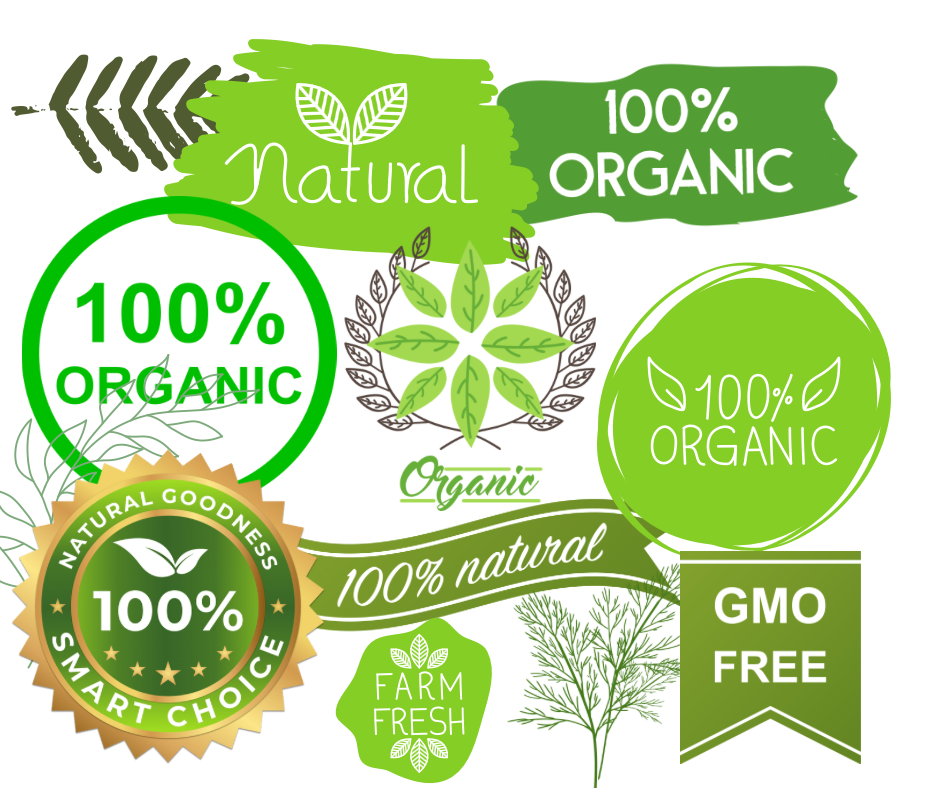
Some of the most common used terms to confuse consumers to "appear" organic:
| Natural: Implying that a product is derived from natural sources, even if it contains synthetic or potentially harmful ingredients. | Green: Suggesting that a product is environmentally friendly, without providing specific evidence or certifications to support this claim. |
| Eco-friendly: Giving the impression that a product has minimal environmental impact, despite lacking rigorous certification or evidence of sustainability. | Biodegradable: Implies that a product will break down naturally over time, but the term may be used loosely without specifying the conditions required for biodegradation. |
| Sustainable: Suggesting that a product is produced in a sustainable manner, without providing detailed information on sourcing, production methods, or certifications. | Organic: Applying to products claimed to be made from organic materials or ingredients, but without certification from a reputable organic certifying body. |
| Green Packaging: Referring to packaging materials or designs that are perceived as environmentally friendly, even if the product itself is not sustainable. | Carbon-neutral: Implying that a product’s carbon emissions are balanced by offsetting measures, without transparently disclosing the methods used for carbon offsetting. |
| Non-toxic: Suggesting that a product is free from harmful chemicals, but without providing specific information about the substances used or their potential environmental impact. | Renewable: Referring to resources or energy sources that can be replenished naturally, but without providing evidence of sustainable sourcing or production practices |
In the fight against greenwashing, knowledge is power. By staying educated and vigilant, we can all play a role in promoting genuine environmental stewardship and holding companies accountable for their actions. Stay informed!

AWW: Volume 2
Gut Health: The Key to Vitality
You might be surprised to learn that the condition of your gut plays a pivotal role not only in your digestive well-being but also in the appearance of your skin, hair, and overall vitality. Here's why:
- The Gut-Skin Connection: Your gut and skin are intricately linked through what's known as the gut-skin axis. An imbalance in your gut flora can manifest as inflammation, acne, eczema, and other skin conditions. By nurturing your gut, you can promote clearer, healthier skin from within.
- Nutrient Absorption: A healthy gut ensures optimal absorption of essential nutrients, vitamins, and minerals that are crucial for skin renewal, collagen production, and overall radiance. Without proper absorption, your skincare regimen may not yield the desired results.
- Immune Function: Did you know that about 70% of your immune system resides in your gut? A well-functioning gut helps to ward off harmful pathogens, reduce inflammation, and support immune responses, all of which contribute to a glowing complexion and increased resilience against environmental stressors.
- Mood and Stress Management: Gut health influences neurotransmitter production, including serotonin, the "feel-good" hormone. A balanced gut can help regulate mood, reduce stress, and promote relaxation, leading to a more serene and youthful appearance.

So, what can you do to support your gut health and unlock your inner radiance?
Nourish with Whole Foods
Opt for a diverse array of nutrient-rich foods such as fruits, vegetables, whole grains, lean proteins, and healthy fats to fuel your gut microbiome.
Probiotics and Prebiotics
Incorporate probiotic-rich foods like yogurt, kefir, sauerkraut, and kombucha into your diet to replenish beneficial gut bacteria. Additionally, consume prebiotic foods such as garlic, onions, bananas, and asparagus to feed the existing probiotics in your gut.
Hydration
Drink plenty of water to support digestion, nutrient absorption, and detoxification processes within the body.
Stress Management
Practice relaxation techniques such as meditation, yoga, or deep breathing exercises to minimize stress and promote gut-brain harmony.
At Aurora Beauty Studio, we believe that true beauty radiates from within, and nurturing your gut health is an essential step towards achieving that radiant glow you deserve.
If you're interested in learning more about how to optimize your skincare routine in conjunction with gut health, don't hesitate to reach out. Your journey to vitality starts here!
Nature's Highlight: Chicory Root
Chicory root is a popular substitute for coffee and offers a range of health benefits. It has high fiber content and is also rich in nutrients that include potassium, calcium, phosphorus, and folate. It also contains inulin, a great source of prebiotic fiber, which helps prevent digestive problems and decreases constipation.
Chicory root is an amazing source of polyphenols that can help decrease the damage to your body cells linked with illness and aging. You can reap the benefits of the chicory root fiber by boiling the root to eat with a meal or buying a chicory root coffee substitute and having it as a hot beverage.

A urora's W ellness W ednesday
What is holistic health?
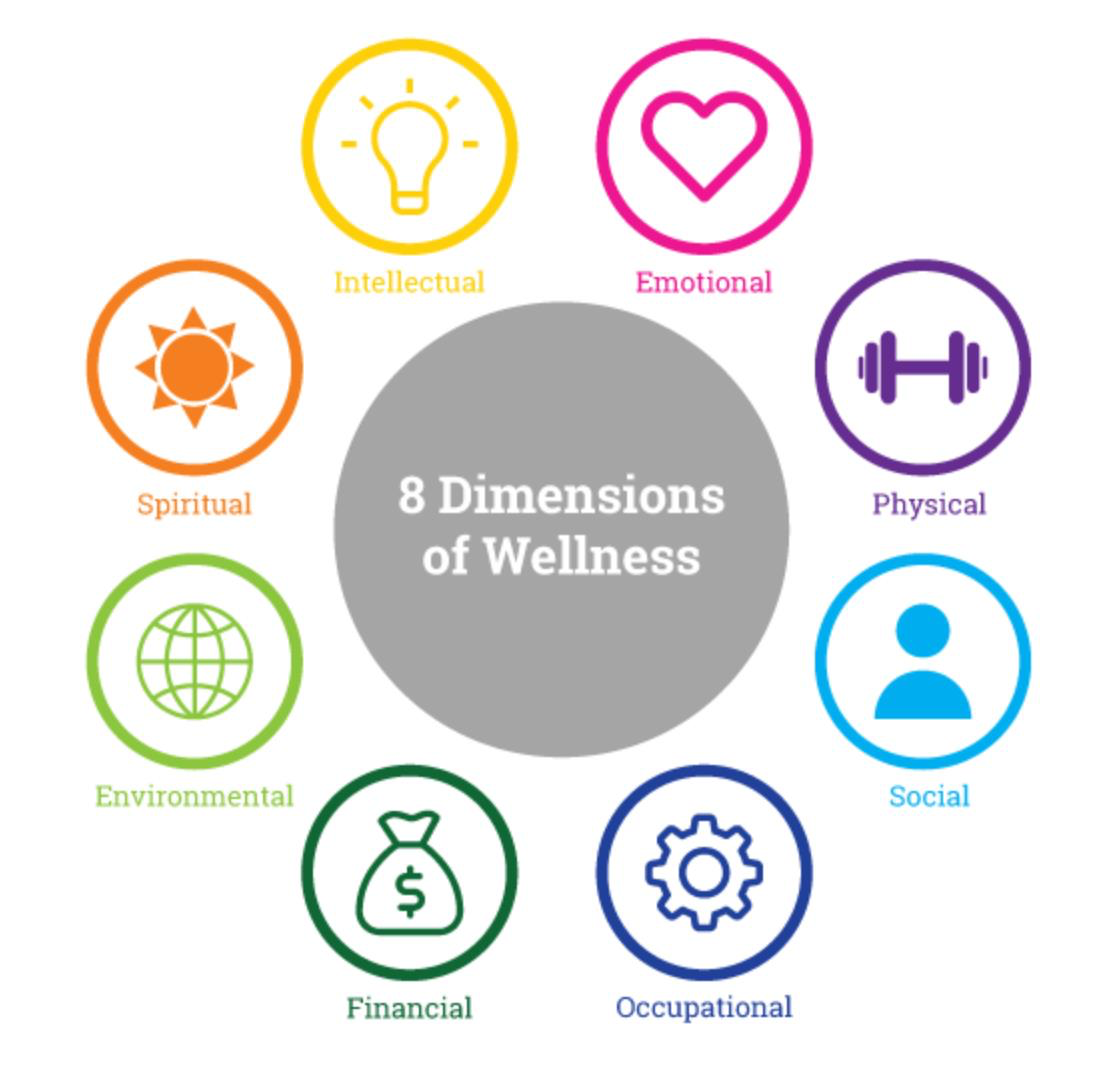
The entire being is important to consider when incorporating a holistic approach to your life. It is so easy to forget to take care of ourselves when we have so many other seemingly more important things to do.
Ingredient Spotlight: Spirulina
Introduction:Discover the wonders of spirulina, a potent superfood with centuries-old acclaim for its exceptional health benefits.
Nutrient-Rich Profile:
Spirulina packs a punch with its complete protein profile, essential vitamins, minerals, and antioxidants, making it an ideal addition to any wellness routine.
Detoxification and Immune Support:
Its high chlorophyll content aids detoxification, while antioxidants like phycocyanin bolster the immune system, defending against oxidative stress.
Anti-Inflammatory Effects:
Spirulina’s gamma-linolenic acid (GLA) combats inflammation, potentially alleviating symptoms of conditions like arthritis.
 Energy and Endurance Boost:
This superfood enhances endurance and stamina, thanks to its protein-rich composition and abundance of essential nutrients.
Supports Heart Health:
Spirulina’s antioxidants help reduce blood pressure and cholesterol, promoting heart health and overall cardiovascular well-being.
Incorporating Spirulina:
Easily incorporate spirulina into your diet through powders, tablets, or capsules, ensuring purity and potency for maximum benefits.
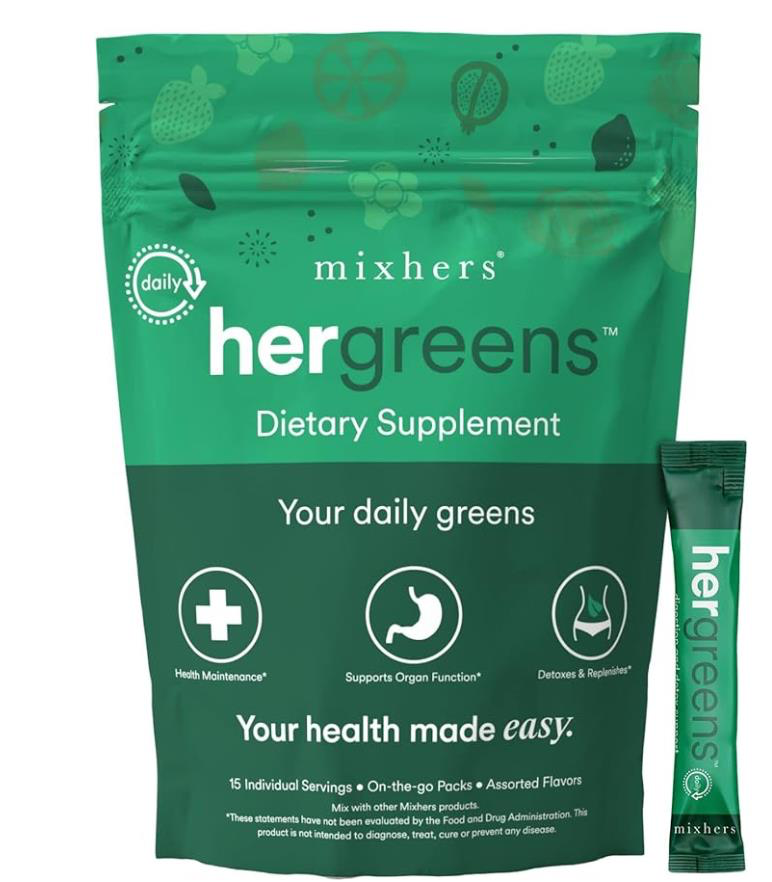
new retail alert!
Welcome MixHers: HerGreens to the Aurora fam!
All flavors available for purchase at the studio now!
HerGreens includes Spirulina, our ingredient spotlight!

Welcome to the first ever weekly wellness newsletter!
Let's talk about the foundations...What is holistic health?
Holistic health is a comprehensive approach that recognizes the interconnectedness of various facets of well-being, aiming to nurture the mind, body, and spirit. Unlike conventional medicine that often focuses on treating isolated symptoms, holistic health emphasizes the importance of addressing the root causes of ailments by considering the entire person. This approach integrates various dimensions, including nutrition, physical activity, mental and emotional states, and even the environment. Holistic health encourages individuals to adopt lifestyle practices that promote balance, harmony, and overall wellness. By acknowledging the interplay of these elements, individuals can cultivate a more resilient and vibrant state of health, fostering a holistic approach that supports sustained well-being throughout life.
At Aurora, making you feel great inside and out is crucial to our goal in enhancing your wellness . Skin is our jam- and so few people realize the impact that environmental and internal factors play in the overall health of your skin!
We want be a facet not only in your skin journey- but in your overall wellness. Education is the best way to share our vision of health and well-being.
In future issues of this newsletter expect to see:
- Ingredient Spotlights: What to LOVE and what to AVOID
- Product Introductions: As we move forward we will highlight new retail available to aid you in your wellness journey- this includes BIG names in the wellness industry that are not readily available or on-site purchase.
- Fun Facts: We want to share the knowledge! Fun facts and resources!!
- Funny pictures: Because we all need a laugh.
And so much more!!
Cheers to better wellness!
- Aurora's Beauty Team